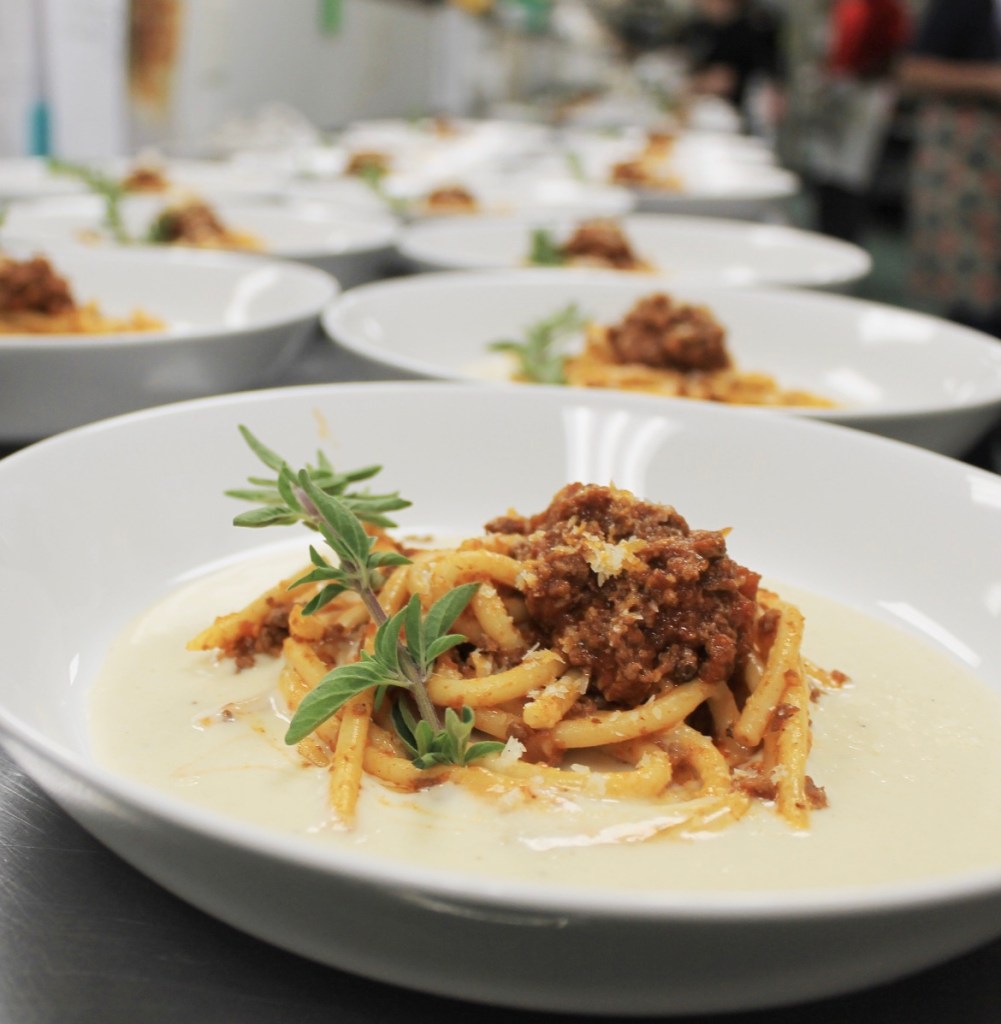
For our Mediterranean dinner, we took inspiration from pastitsio and reimagined it as an elegantly plated pasta dish. Instead of the traditional baked casserole, we served al dente bucatini tossed in a deeply flavorful lamb ragù, slow-braised with Mediterranean spices, tomatoes, and a hint of cinnamon for warmth.
Beneath the pasta, a velvety béchamel sauce provided the signature creamy contrast, echoing the layers of classic pastitsio in a refined presentation. A finishing touch of toasted breadcrumbs added texture, while fresh oregano brought a bright herbal note, balancing the dish’s richness.
This modern take on pastitsio preserved its comforting essence while offering a contemporary, plated interpretation of the beloved Mediterranean classic—honoring tradition while embracing innovation.
After 30 years in professional kitchens, I’ve handled just about every knife on the market. While there are plenty of great brands at various price points, in my experience, Shun and Wüsthof are the two most commonly found in working kitchens—and for good reason.
If you’re looking for a quality knife that holds up to heavy use, the $100 price range is a solid starting point. At this price, you get a knife that’s durable, well-balanced, and sharp enough for serious cooking—without worrying about using it too hard or damaging an expensive showpiece.
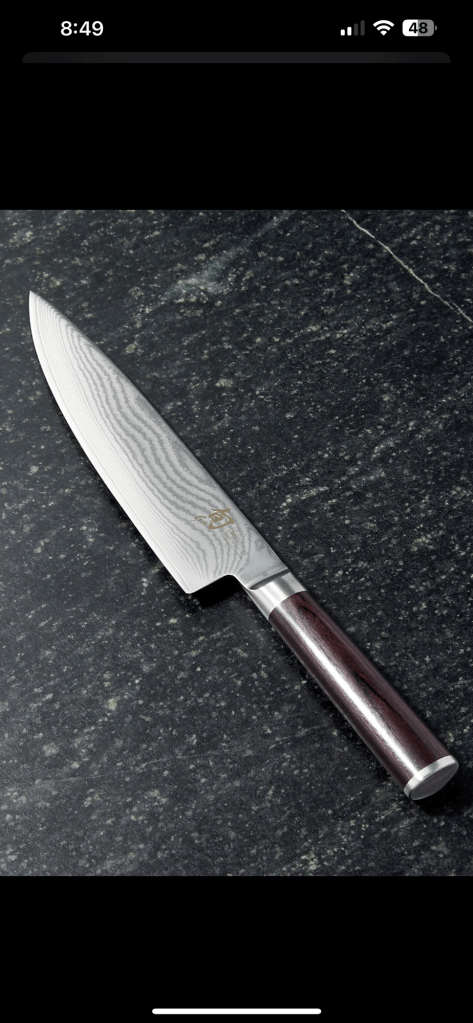
The Shun Classic is a Japanese-style knife designed for razor-sharp precision. Made with VG-MAX steel and featuring a Damascus-clad blade, it holds an edge incredibly well. Its D-shaped PakkaWood handle provides a comfortable grip, and the thin, lightweight blade glides effortlessly through ingredients.
If you value sharpness, finesse, and effortless slicing, the Shun Classic is perfect for precision work—ideal for vegetables, fish, and delicate proteins where clean cuts matter.
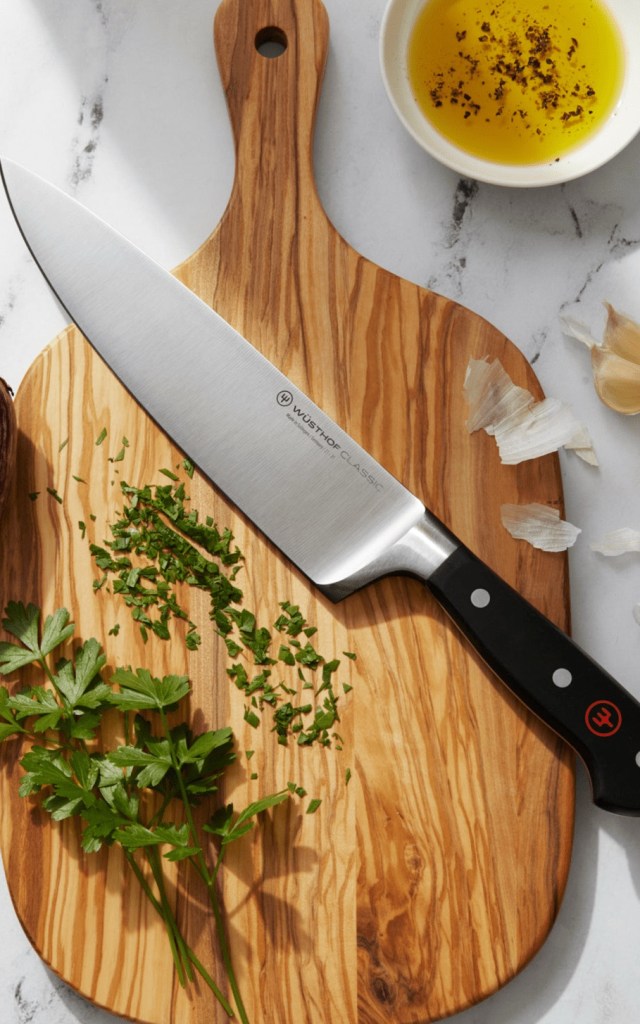
Wüsthof Classic 8-Inch Chef’s Knife – The Reliable Workhorse
The Wüsthof Classic, on the other hand, is a German-style knife built for durability, strength, and versatility. Forged from high-carbon stainless steel, it features a full tang construction and a triple-riveted synthetic handle for a solid, well-balanced grip. Heavier than the Shun, it brings power and stability, making it ideal for chopping root vegetables, breaking down proteins, and tackling denser foods.
If you need one knife to handle everything in the kitchen, the Wüsthof Classic is a true workhorse that delivers durability and long-term reliability.
Which One is Right for You?
Having used both of these knives over the years, I can confidently say that owning both gives you the best of both worlds—the Wüsthof for power and durability, the Shun for precision and finesse. But if you’re choosing just one, it comes down to your cooking style:
• Choose the Wüsthof Classic if you want a strong, all-purpose knife that can handle heavy chopping and precise slicing.
• Choose the Shun Classic if you prefer an ultra-sharp, lightweight knife designed for finesse and precision.
If you’re just starting to invest in quality knives, the $100 range is a great place to begin—high enough to ensure durability and performance, but not so expensive that you’re afraid to actually use it. These knives are made to be worked hard, and they’ll last a lifetime with proper care.
For the Art in Bloom dinner at the North Carolina Museum of Art, I created this Spring Greens Salad with Three-Berry Vinaigrette, Fig, Honey Chèvre, and Candied Pecans as a light yet deeply flavorful course—a true reflection of spring’s natural beauty.
A mix of delicate spring greens formed the base, offering a crisp, peppery contrast to the luscious fresh berries scattered throughout. A three-berry vinaigrette, made from raspberries, blueberries, and blackberries, provided a vibrant tang that balanced the richness of honey-whipped chèvre, which added a creamy, floral sweetness. Fresh figs deepened the flavor with their soft, caramel-like notes, while candied pecans brought a satisfying crunch.
This dish was designed to be both bright and indulgent, with a play of textures and flavors that felt at once fresh, luxurious, and perfectly in tune with the season. A simple, elegant celebration of spring’s bounty.
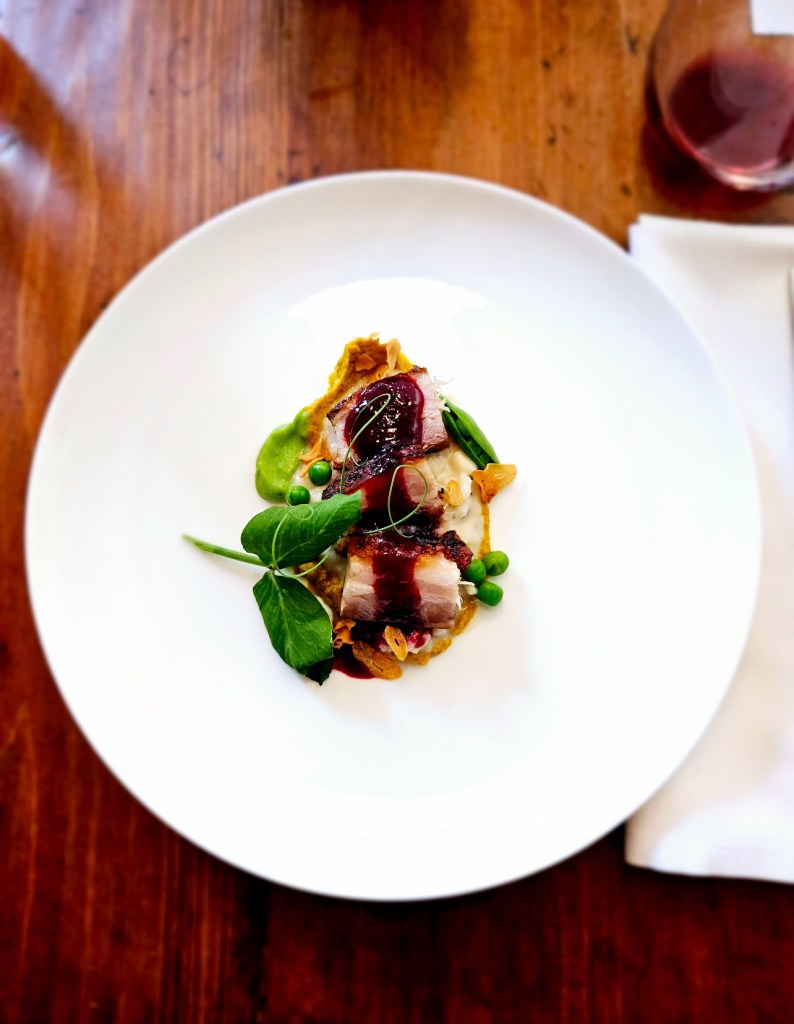
For the Art in Bloom dinner at the North Carolina Museum of Art, I wanted to create a dish that captured the richness of early spring: Crispy Pork Belly with Blackberry Gastrique, Risotto, Roasted Carrot Purée, and Spring Peas.
The pork belly was slow-cooked for a perfect crisp, its deep, fatty richness balanced by a blackberry gastrique, adding a tart-sweet contrast. Beneath it, a creamy risotto served as a neutral foundation, absorbing the flavors while offering a satisfying bite. A smooth roasted carrot purée brought natural sweetness and depth, while bright spring peas added pops of freshness and a nod to the season.
This dish was all about contrast—crisp and creamy, sweet and savory, earthy and bright—coming together in a way that felt both refined and deeply satisfying. A celebration of balance and renewal, just like spring itself.
Each spring, the North Carolina Museum of Art (NCMA) transforms into a breathtaking celebration of nature and creativity for Art in Bloom, where floral designers reimagine works of art with living arrangements. The week before the exhibition opens to the public, the museum hosts an exclusive multi-course Art in Bloom Dinner, a culinary experience designed to mirror the beauty and seasonality of the floral showcase. This year, I had the honor of contributing to the menu with a dish that embraced the freshness, vibrancy, and artistry of spring.
The dish featured a delicate, perfectly seared fish, served in a lemon butter blanc that added a velvety richness, balanced by the natural sweetness and acidity of sungold tomatoes. Sunchokes, prepared in multiple textures, introduced an earthy complexity, while a sunflower seed pesto provided a nutty, herbaceous contrast. Crisp vegetable chips and microgreens brought a final flourish—each element intentionally placed to create a dish that felt as much like a painting as it did a plated course.
The spring-inspired menu as a whole reflected the themes of renewal, color, and natural beauty, setting the stage for the floral art that would soon fill the museum’s galleries. Just as Art in Bloom reinterprets traditional masterpieces with fresh, organic elements, this dinner aimed to capture the essence of the season through flavor, texture, and presentation.
Cooking for this event was a reminder that food, like art, is meant to be an experience—one that tells a story, evokes emotion, and leaves a lasting impression. And in the fleeting beauty of both a plated dish and a floral arrangement, there’s something truly special about capturing a moment of spring on the plate.
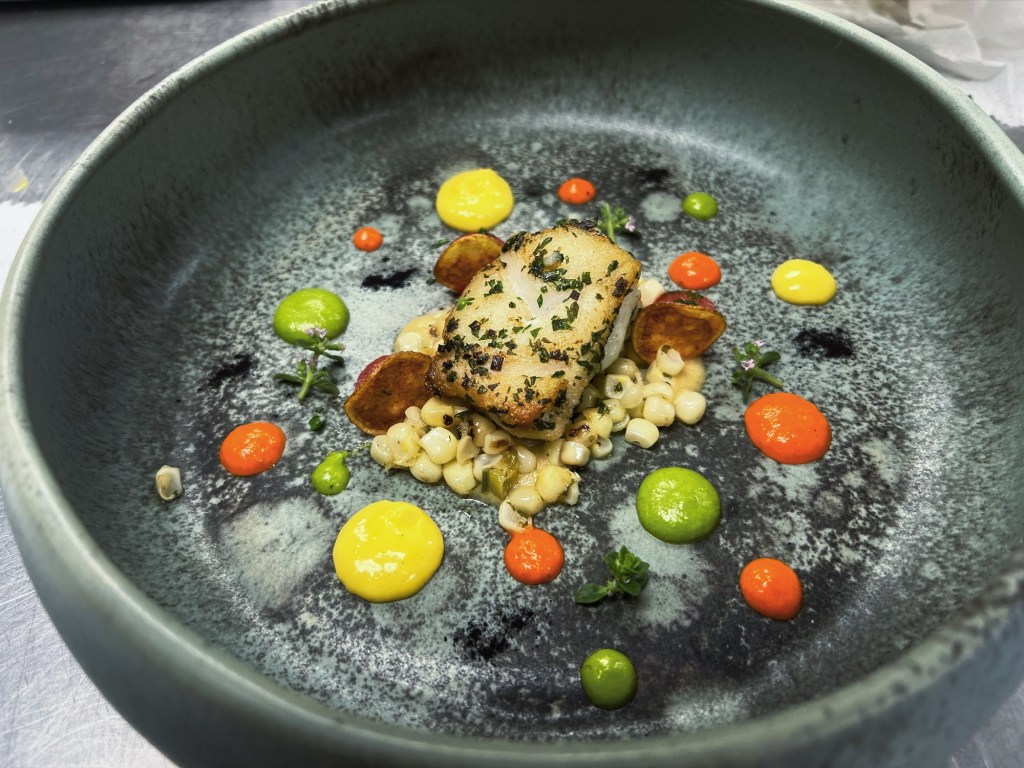
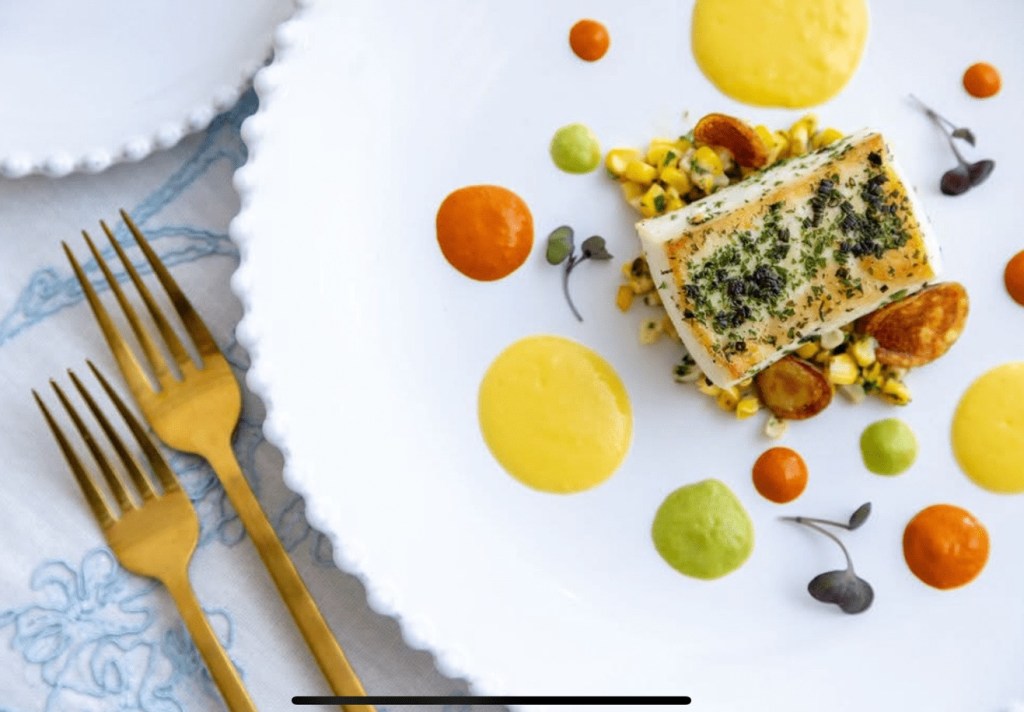
Competing for the N.C. Chef of the Year with the North Carolina Restaurant & Lodging Association (NCRLA) and Agriculture, I wanted to create a dish that celebrated the region’s rich culinary heritage while showcasing precision and artistry. This plate—pan-seared golden tilefish with corn coulis and seasonal peppers—not only highlighted locally sourced ingredients but also embraced the craftsmanship of North Carolina pottery, plated on Haand ceramics.
Golden tilefish, known for its delicate, sweet flavor, was seared to achieve a crisp herb-crusted exterior while maintaining its buttery texture. The corn coulis, silky and naturally sweet, grounded the dish in the flavors of summer and early fall, bringing a touch of North Carolina’s agricultural bounty to the forefront. Seasonal peppers added brightness, a hint of heat, and layers of complexity.
Beyond the flavors, plating played a crucial role. The Haand ceramic dish, with its organic, hand-crafted aesthetic, provided the perfect canvas—enhancing the visual and textural contrast of the components. The final touches—crispy root vegetable chips, fresh herbs, and vibrant sauces—brought balance, turning the plate into a vibrant, edible piece of art.
This dish earned me a spot in the finals, a testament to the power of local ingredients, careful technique, and a passion for pushing North Carolina’s culinary identity forward. Win or lose, the journey to this point has been a celebration of craftsmanship—both in the kitchen and beyond.
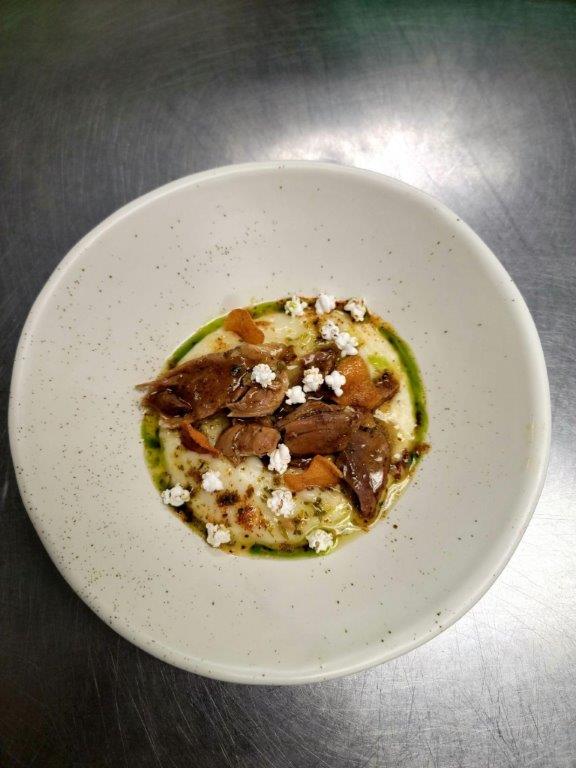
Barolo braised Pork Shank with popcorn grits, garlic chips, thyme oil, popped sorghum. Popcorn grits are fun and Ive tried them a bunch of ways. I think the best way to make it is to bring your water, butter, and cream to a simmer and drop in a bunch of popped popcorn into your broth. I turn it of and lightly whisk it. I then strain out the broth to remove the hull of the corn. This Is a big part to remove the funky texture if left in.
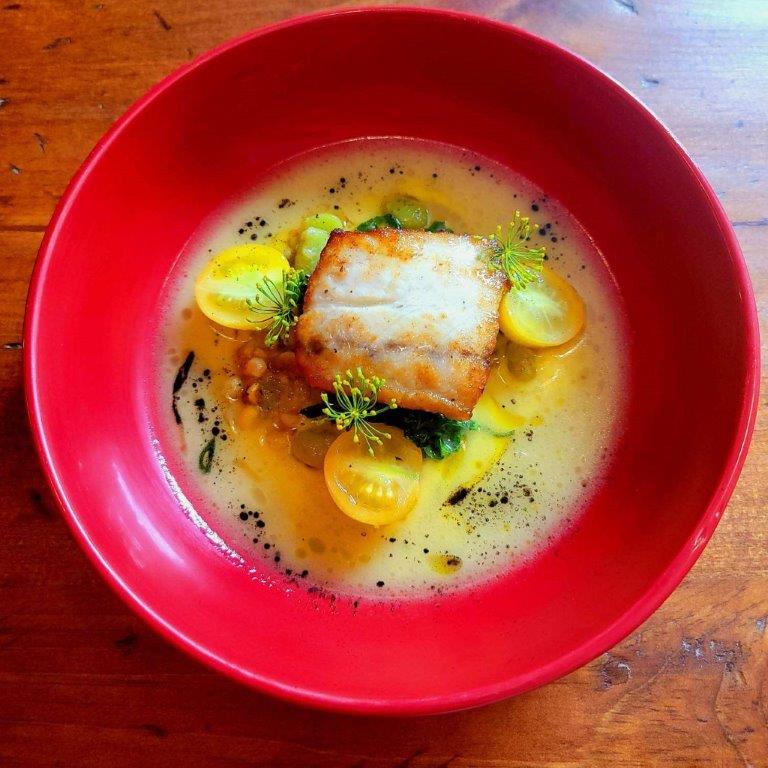
NC Red Drum pan seared served over a Sweet corn and heirloom bean succotash, corn coulis, Corn broth, Carolina Gold Tomatoes, Leek ash. This was for a competition for the Got to be NC chef of the year. I was a finalist in the competition in 2021. This was a demo shot I took. We needed to have a Carolina themed entree featuring as many NC products as possible. I sourced this dish 100 % from NC products down to the oil and salt.
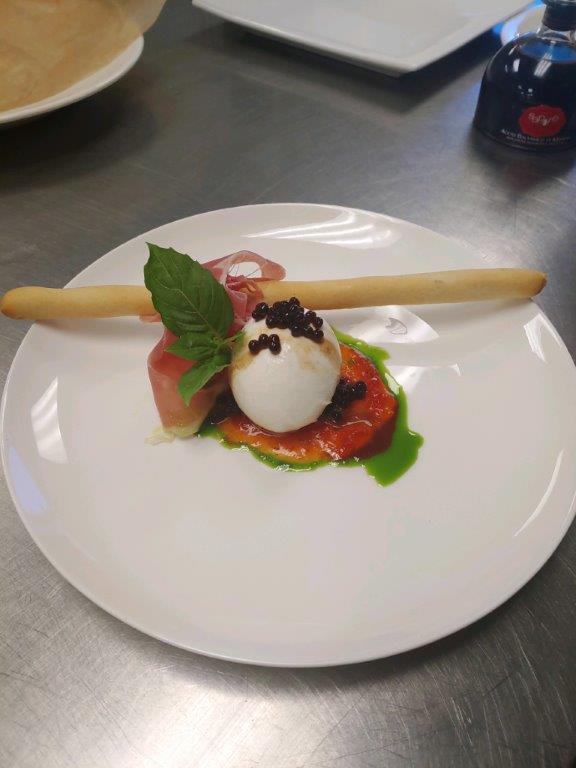
This is a picture of a whole buffalo milk burrata with thinly sliced prosciutto, Tomato jam, basil oil, grissini, and balsamic pearls. This was the second course to a 7 course Italian dinner I did in 2020.
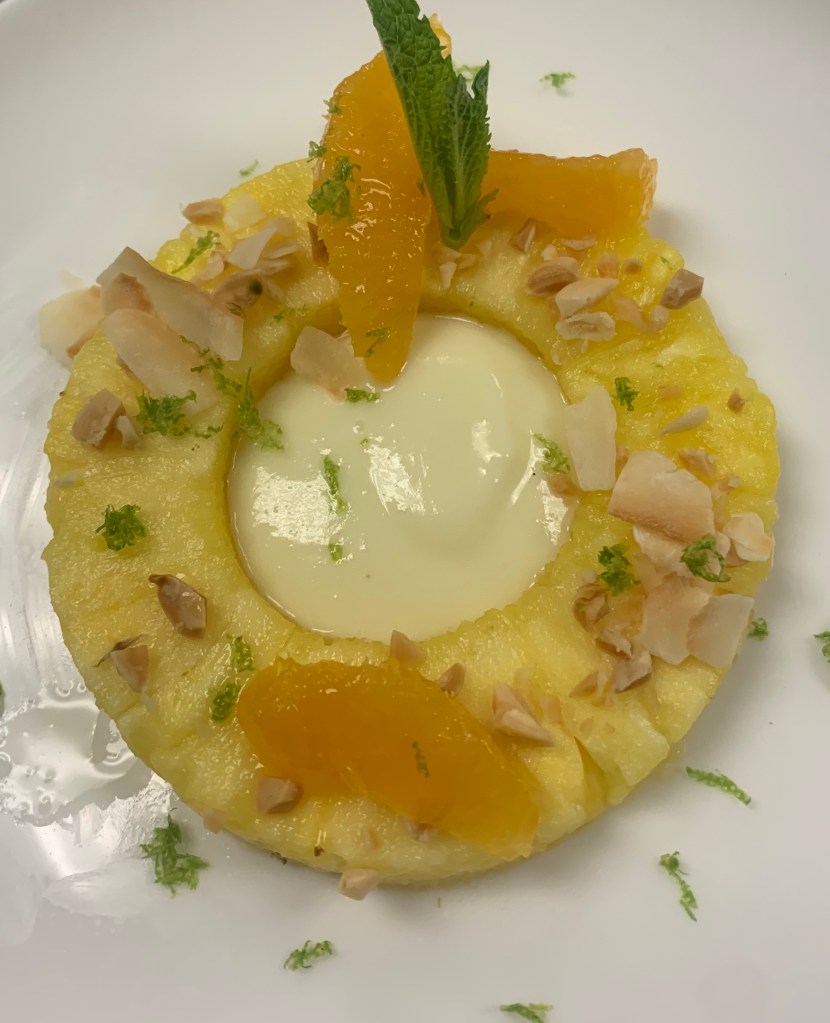
I love make playful fruit salads. Who doesn’t love pineapple… I soaked it in a simple syrup that was infused with warm spices. Cardamom, star anise, and ginger. It’s topped with toasted coconut, orange segments, and Marcona Almonds. I filled it with whipped coconut milk. The key is to put the can in the fridge and skim the thick part off the top. This time I mixed it with yogurt, honey and lime juice.
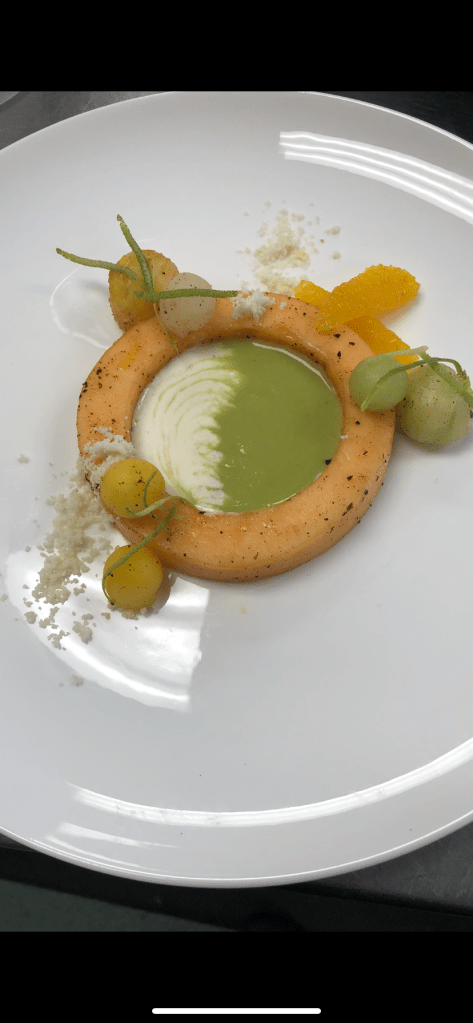
I did this with a Latin spin. I drizzled lime juice on the cantaloupe and sprinkled it with tajin. Crumbled Queso fresco, mango, jicama, and pineapple spheres. I did crema and a green apple cilantro purée.
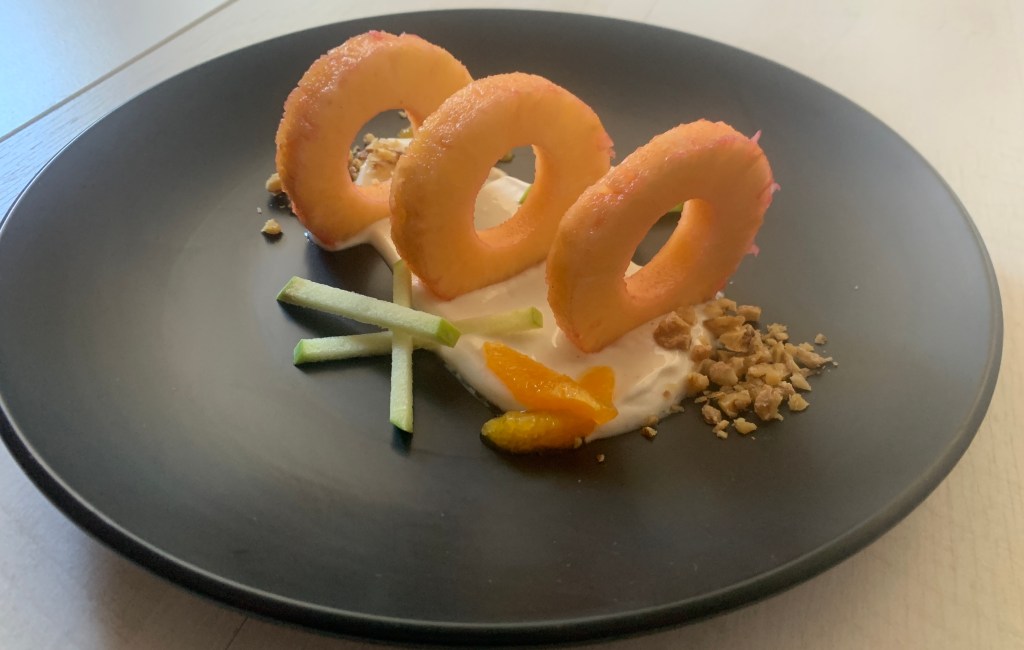
This was a practice plate for a special tasting I have coming up. This time I soaked the pineapple in a hibiscus simple syrup. I flavored Greek yogurt with cinnamon and sugar and used seasonal NC apples, orange segments and crushed candies walnuts.


 The Elevated Chef